
Australia and New Zealand Shipping Requirements for Household Goods | Executive Movers
A move to Australia or New Zealand can go perfectly on paper, then stall because of a single muddy garden chair, a seed caught in a tent peg, or untreated timber used in packing. These countries protect rare ecosystems and major farming industries with some of the strictest biosecurity rules in the world. For household goods, that means customs paperwork is only one part of the process.
The real challenge is preparation before the container leaves.
Executive Movers supports international household goods shipping with export packing, cleaning guidance, documentation checks, and timber packing methods designed to reduce the risk of quarantine delay. For families, assignees, returning residents, and long-term visa holders, understanding the rules early can save time, storage fees, inspection costs, and avoidable stress at destination.
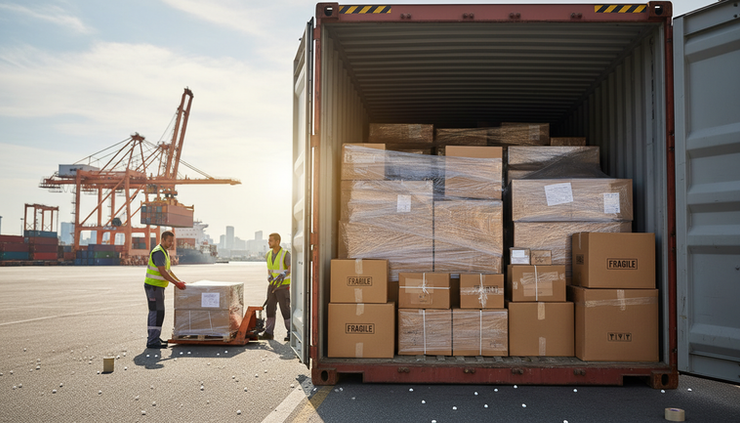
Australia and New Zealand take biosecurity seriously
Australia and New Zealand have unique plants, wildlife, and agricultural sectors. Pests, soil, seeds, insects, untreated wood, animal products, and food residues can cause serious damage if they enter unnoticed. That is why both countries inspect personal effects more closely than many other destinations.
Household goods are not treated as low-risk simply because they are used personal items. A sofa may be fine, but the wooden frame might attract inspection. A bicycle may be allowed, but dirty tyres can trigger cleaning. A barbecue may be part of normal family life, but grease and organic residue can become a quarantine concern.
Biosecurity officers are looking for materials that could carry contamination, including:
Soil on outdoor furniture, shoes, bicycles, golf clubs, garden tools, and lawnmowers
Seeds, leaves, bark, straw, grass, and plant matter
Untreated or poorly marked timber
Food, spices, dried goods, and animal products
Insect activity in wooden items, wicker, baskets, or outdoor equipment
Mould, dampness, or pest evidence in stored goods
The safest approach is simple: clean, declare, and pack correctly. Trying to hide a questionable item usually creates more problems than declaring it. Officers have wide powers to order inspection, fumigation, cleaning, treatment, re-export, or disposal at the owner’s expense.
For international removals to Australia and New Zealand, early preparation is part of the shipping plan, not a last-minute task.
Australian biosecurity and customs clearance requirements
Every container shipment entering Australia must be declared to the relevant authorities. For household goods and personal effects, the two key bodies are the Department of Agriculture, Fisheries and Forestry, often referred to as DAFF, and the Australian Border Force, known as ABF.
Main arrival ports include Sydney, Melbourne, Brisbane, Perth, Adelaide, and Fremantle. The final process can vary by shipment type, port, documentation, and the risk profile of the goods, but personal effects are commonly routed through a licensed quarantine depot for inspection.
The Customs Form B534 must be completed correctly
For unaccompanied personal effects entering Australia, the goods owner completes Customs Form B534, the Unaccompanied Personal Effects Statement.
This form gives Australian authorities information about the shipment, the owner, and the goods being imported. It asks about items that may carry biosecurity or customs risk. Answers should be accurate and consistent with the packing inventory.
A strong declaration usually includes:
A clear owner name matching passport and visa documents
Details of travel and intended arrival into Australia
A full and honest list of household goods
Clear declarations for risk items such as food, timber, outdoor items, tools, sports goods, and animal-related products
Supporting documents where needed, such as passport photo page and visa evidence
Errors can slow clearance. Missing information can result in extra queries before inspection or delivery.
Most personal effects face physical inspection
Australia is known for strict physical biosecurity checks. Almost all personal effect shipments are inspected on arrival. This inspection usually takes place at a licensed quarantine depot rather than at the owner’s home.
During inspection, officers may open cartons, unwrap selected items, or focus on goods listed as high risk. If they find soil, seeds, insects, untreated wood, or prohibited material, they can order treatment or removal.
Common outcomes include:
Inspection result | What it usually means |
Cleared | Goods can proceed to delivery after customs and port processes are complete |
Cleaning required | Contaminated items must be professionally cleaned before release |
Fumigation or treatment required | Timber, insect activity, or other risk materials need approved treatment |
Disposal ordered | Certain items cannot be safely treated or imported |
Further examination | Officers need more time, access, or information before a decision |
Costs linked to inspection, cleaning, fumigation, storage, or disposal are normally charged to the shipper or owner. That is why strong preparation before export is so valuable.

High-risk items need careful cleaning before packing
The items most likely to attract Australian quarantine attention are those used outdoors, in gardens, on farms, in parks, or around soil.
High-risk household items include:
Outdoor furniture
Lawnmowers and garden machinery
Barbecues and patio heaters
Camping gear and tents
Fishing equipment
Golf clubs and golf shoes
Bicycles, scooters, and sports equipment
Garden tools, pots, planters, and ornaments
Timber furniture, carvings, crates, pallets, and wicker items
Vacuum cleaners used in areas with pet hair or dust
Footwear used outdoors, especially walking boots and riding boots
These items should be steam-cleaned where suitable, scrubbed free of dirt, dried fully, and checked before wrapping. It is not enough for something to look tidy from a distance. Soil trapped in wheels, hinges, folding legs, fabric seams, and hollow frames can cause a problem.
For lawnmowers and garden tools, pay attention to blades, guards, handles, air vents, wheels, and collection boxes. For golf clubs, clean the grooves in club heads and check shoes for soil and grass. For camping gear, shake out every tent bag, pole sleeve, groundsheet, peg bag, and folding chair.
New Zealand customs and MPI inspection requirements
New Zealand applies similarly strict controls through the New Zealand Customs Service and the Ministry for Primary Industries, known as MPI. Shipments commonly arrive through Auckland, Wellington, Christchurch, Tauranga, or Lyttelton, depending on routing and final destination.
MPI focuses on preventing the entry of pests, diseases, soil, seeds, and untreated biological material. Like Australia, New Zealand checks personal effects carefully, especially goods used outdoors or made from natural materials.
Form NZCS 218 is used for unaccompanied personal effects
For personal effects entering New Zealand, the owner completes Form NZCS 218, the customs declaration for unaccompanied baggage and personal effects.
The form supports customs clearance and helps identify goods that may require biosecurity checks. It should be completed honestly and matched against the packing list.
Typical supporting information may include:
Passport and travel details
Visa or residency status
Arrival information
A list of personal and household effects
Declarations for food, alcohol, tobacco, medicines, plant material, animal products, outdoor gear, and wooden items
Evidence of ownership and use where requested
Incomplete declarations can delay release. If MPI officers select items for examination and find undeclared risk goods, costs and enforcement action may follow.
MPI assesses wooden items and outdoor effects closely
MPI officers pay close attention to household goods that may carry contamination. Wooden furniture, antiques, carvings, baskets, outdoor items, tools, and foodstuffs often receive extra scrutiny.
Untreated timber or contaminated goods may require professional fumigation, heat treatment, cleaning, or disposal. In some cases, an item may be safe to keep only after approved treatment. In others, treatment may cost more than the value of the item.
Food is another common issue. Many relocation shipments include pantry goods because the owner does not want to waste them. For New Zealand, that can cause delays. Foodstuffs are often better left out unless the rules clearly allow them and they are fully declared.
The most practical rule is to ask before packing anything made from, grown in, or used around a natural environment.
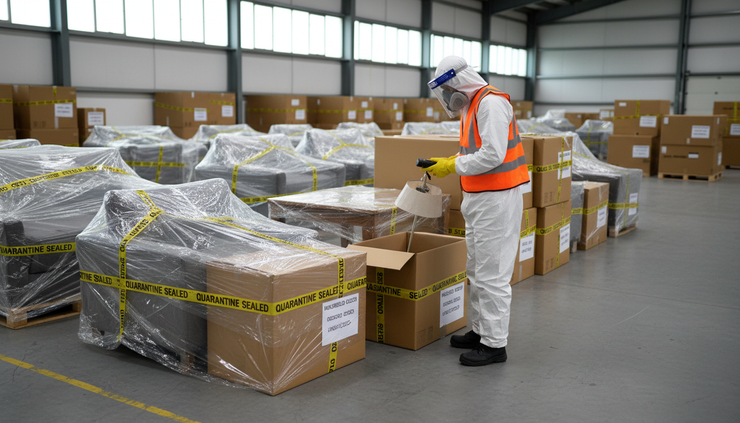
Duty-free entry depends on ownership, use, and visa status
Personal effects can enter Australia and New Zealand duty-free when they meet the relevant requirements. The common rule for both countries is that goods should normally have been owned and used for at least 12 months before shipping. The owner should also hold a valid residency, work, permanent, or qualifying long-term visa status.
This does not mean every item is automatically cleared. Duty-free entry covers customs duty and tax treatment. Biosecurity rules still apply. A garden table can meet the 12-month ownership requirement and still fail quarantine inspection if mud, seeds, or insect evidence is present.
Goods that may fall outside duty-free treatment include:
New items bought shortly before export
Commercial stock or business goods
Goods shipped for another person
Large quantities that do not match normal household use
Alcohol, tobacco, vehicles, or items subject to separate rules
Items without evidence of ownership or use when requested
Keeping purchase receipts is useful for newer goods, but the best protection is a realistic shipment inventory. A personal effects shipment should look like a home being moved, not a sales consignment.
If the move includes high-value items, vehicles, boats, wine collections, tools of trade, or business equipment, it is sensible to seek specific guidance before packing. The rules can differ from standard household effects.
How to prepare household goods before export packing
Good preparation starts room by room, with extra time allowed for garages, sheds, gardens, lofts, and storage units. These areas often contain the highest-risk items in the shipment.
Executive Movers recommends separating goods into three groups before the packing crew arrives.
Goods that are usually suitable to pack
Most clean indoor household items are straightforward, provided they are dry, pest-free, and properly listed on the inventory.
This group often includes:
Clothing, bedding, and linen
Sofas, beds, tables, and chairs
Books, toys, and kitchenware
Electronics and small appliances
Framed pictures and mirrors
Clean indoor furniture and ornaments
Even with low-risk items, avoid packing damp goods. Moisture can lead to mould, odour, and quarantine concern by the time the container reaches the destination port.
Goods that need deep cleaning before packing
A separate cleaning session should be planned for anything used outdoors or stored in a shed or garage.
Focus on:
Bike tyres, pedals, chains, frames, and mudguards
Pushchair wheels and child car seats, if used outdoors
Walking boots, sports shoes, riding gear, and helmets
Toolboxes, power tools, ladders, and workbenches
Outdoor cushions and furniture frames
Barbecues, grates, trays, and grease traps
Pet crates, animal bedding, and grooming tools
Use stiff brushes, clean water, safe degreasing products where suitable, and enough drying time. Packing wet items creates a new risk, so cleaning should not happen on the morning of collection.
Goods that may be better left behind
Some items are legal but not worth the cost or risk of shipping. Others may be restricted, prohibited, or difficult to clear.
Consider leaving behind:
Opened food packets
Plant pots with soil residue
Straw, dried flowers, pine cones, bark, and natural wreaths
Firewood and untreated timber offcuts
Old wicker baskets with insect damage
Heavily soiled garden tools
Low-value outdoor items that would cost more to treat than replace
A useful test is simple: if an item is dirty, organic, untreated, or hard to clean, it needs special attention before it goes into the shipment.
Why timber packing and ISPM-15 compliance matter
Timber is one of the main materials watched by biosecurity authorities. Wood can harbour insects, larvae, fungal material, bark, and other organisms. For international shipping, wood packaging such as crates, pallets, and lift vans is commonly expected to meet ISPM-15 heat-treatment standards.
ISPM-15 is an international standard for wood packaging used in global trade. It requires approved treatment and marking so border authorities can see that the timber has been treated. The standard applies to many forms of solid wood packaging, although manufactured wood products such as plywood and particleboard are often treated differently.
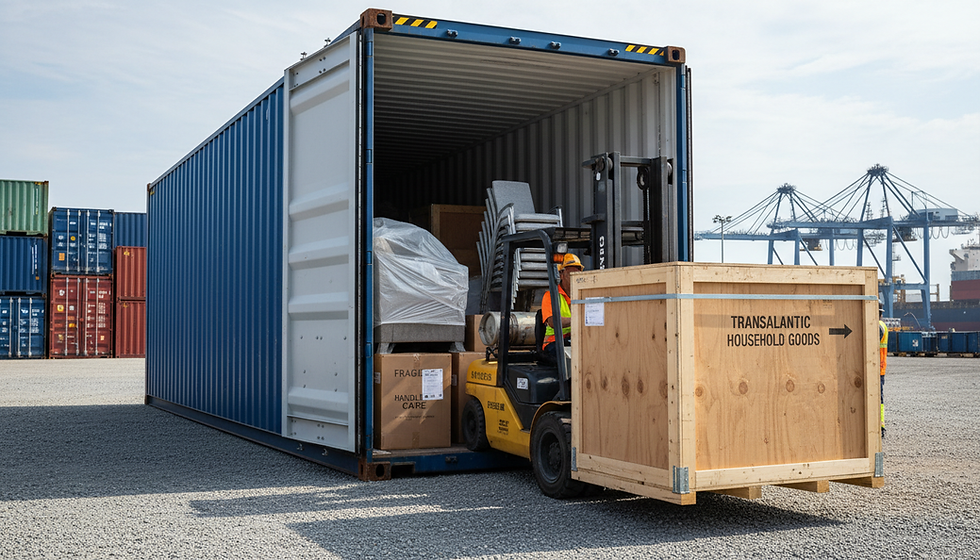
Executive Movers uses custom timber wrapping and packing methods designed for international export requirements, including ISPM-15 compliant heat-treated timber where required. This helps reduce the risk of wooden packing materials causing inspection issues at destination.
The standard does not replace the need to clean the goods themselves. A heat-treated crate will not solve mud on a bicycle or grass seeds in camping equipment. Packing materials and household goods both need to meet the expected standard.
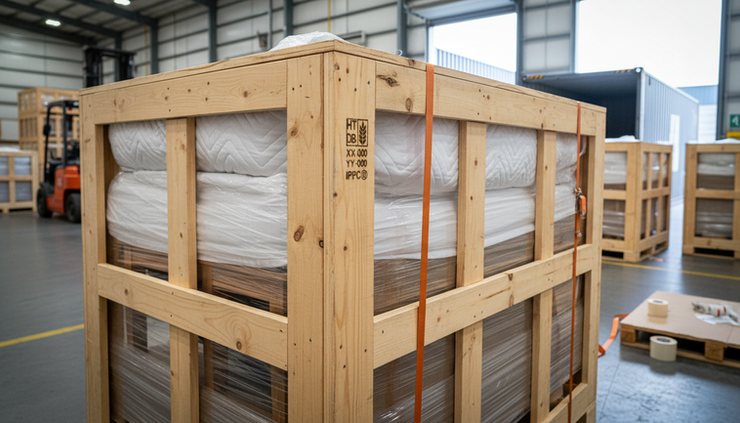
How Executive Movers reduces the risk of delay
International removals to Australia and New Zealand need more than careful lifting and neat cartons. They need packing crews who understand how destination rules affect the way goods are prepared at origin.
Executive Movers supports the process through:
Export packing for sea freight containers and shared consignments
Guidance on cleaning high-risk household items before collection
Detailed packing inventories for customs and quarantine review
Protective wrapping designed for long-distance container movement
Custom timber packing, crating, and casing where suitable
Use of ISPM-15 compliant timber materials where required
Coordination with destination agents for customs and biosecurity clearance steps
The aim is to reduce avoidable risk. No mover can guarantee that a government inspection will clear every item without question. Authorities make the final decision. A well-prepared shipment, clear paperwork, and clean goods give the shipment the best chance of moving through clearance without unnecessary treatment or storage.
A good export move also avoids vague carton descriptions. Instead of writing “miscellaneous garage items”, a clearer inventory might list “clean hand tools, bicycle pump, extension lead, and empty plastic storage box”. The more transparent the inventory, the easier it is for destination teams to manage the clearance process.
A practical pre-move checklist for Australia and New Zealand
Before collection day, work through the shipment with biosecurity in mind.
Use this checklist as a guide:
Confirm visa status and eligibility for personal effects import
Complete the correct destination form, B534 for Australia or NZCS 218 for New Zealand
Prepare passport, visa, travel, and arrival documents
Review the packing list for food, plants, animal products, timber, and outdoor goods
Clean every outdoor item before export packing
Dry cleaned items fully before wrapping
Remove soil from footwear, tyres, tool edges, tent pegs, and furniture feet
Avoid packing open food, plant material, and untreated natural decorations
Tell the packing crew about fragile, high-value, wooden, or high-risk items
Keep copies of all forms and shipping documents
Ask for advice before packing anything unusual
For long sea transit, also think about condition. Goods should be dry, stable, and suitable for container shipping. Damp garden cushions, dirty rugs, and poorly sealed containers can become bigger problems by arrival.
The best time to deal with quarantine risk is before the goods are wrapped. Once items are inside a container, every correction is harder and more expensive.

The safest move is planned before the container is sealed
Australia and New Zealand are excellent destinations for household goods shipping, but they reward careful preparation. The main risks are rarely mysterious. Soil, seeds, untreated timber, food, insects, dampness, and unclear paperwork cause many avoidable delays.
Prepare early, clean thoroughly, declare honestly, and use packing materials suitable for international shipping. Keep the 12-month ownership and use rule in mind for duty-free entry, but remember that duty-free does not mean quarantine-free.
Executive Movers helps customers ship household goods to Australia and New Zealand with export packing, biosecurity-aware preparation, and compliant timber protection for international moves. The smoother clearance starts at origin, before the first carton enters the container.

Comments