
Executive Movers for Hertfordshire Bedfordshire and North London Home Removals
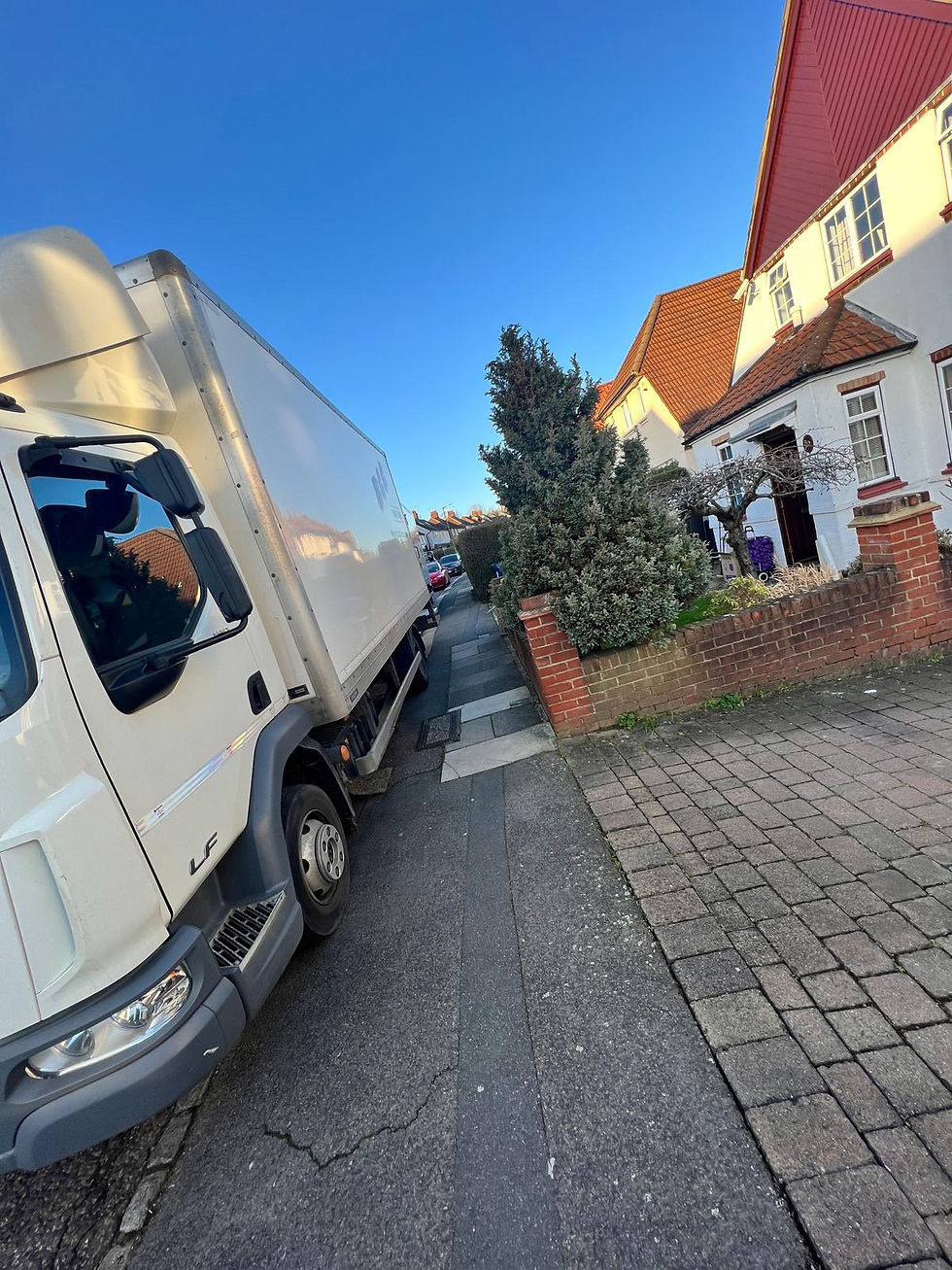
A home move can look simple on paper until the removal lorry reaches a narrow North London street, the completion funds arrive later than expected, or a period staircase proves tighter than the estate agent’s photos suggested. In Hertfordshire, Bedfordshire, and North London, a successful move depends on more than carrying furniture from one address to another. It takes local planning, the right vehicle, careful packing, secure storage options, and clear insurance cover.
Executive Movers provides premium domestic removals, full packing services, and secure containerised storage for households moving across these areas. The work is practical and physical, but the best results come from preparation: checking access, protecting the property, timing the loading schedule, and making sure every item is handled under the right level of cover.
For anyone planning Executive Movers for Hertfordshire Bedfordshire and North London Home Removals, the key question is not simply “Who can move us?” It is “Who can manage the risks of this particular move?”
Regional home removals need local planning
Hertfordshire, Bedfordshire, and North London sit close together, but they create very different moving conditions. A property in Finchley does not present the same problems as a detached home near Harpenden or a family house in Bedford. Good removal planning starts with the route, the parking, the size of vehicle, and the access at both addresses.
In North London boroughs such as Barnet, Enfield, and Finchley, access is often the main challenge. Residential roads can be narrow, busy, and tightly parked. Some routes include red routes, bus lanes, controlled parking zones, and time-limited loading areas. A removal vehicle cannot simply stop wherever it is convenient. If the crew needs to carry items across a long distance because parking was not arranged, the move takes longer and the risk of damage increases.
This is where local planning makes a clear difference. A professional removals team will look at:
The nearest safe loading point
Council parking suspension or permit requirements
Red route restrictions
Lift access in flats and maisonettes
Stair widths, turns, and communal entrances
Suitable vehicle size for the street
A large lorry is not always the best answer. In some North London streets, a Luton van or smaller removal vehicle can work more safely and legally than an oversized vehicle that blocks access. For larger households, the answer may be a planned shuttle service, where smaller vehicles move goods between the property and a larger vehicle parked nearby.
Hertfordshire moves bring a different set of details. In areas such as St Albans, Harpenden, Hertford, and nearby villages, homes may include period features, gravel drives, listed property details, narrow lanes, or private estate access rules. These moves often need extra protection before the first item leaves the house.
That can include:
Floor protection for timber, stone, and carpeted surfaces
Door-jamb guards where large furniture passes through
Banister wrapping on older staircases
Mattress and sofa covers before items leave the room
Planned dismantling for wardrobes, beds, and tables
Bedfordshire moves, including Dunstable, Bedford, Luton, and surrounding commuter routes, often depend on timing. Completion day can be pressured. Banking transfers, key release, and property chain delays all affect when a removal team can unload. A well-run move builds in practical options rather than assuming everything will happen at 12 noon.
The difference between a stressful move and a controlled one is rarely luck. It is usually the planning completed before moving day.
Vehicle choice can change the whole move
A domestic move needs the right vehicle strategy. That sounds technical, but it affects cost, timing, safety, and security.
For some households, direct-load transport is the best option. This means the goods are loaded onto a vehicle allocated to that move and then taken straight to the destination. There is no mixing with another customer’s belongings and no unnecessary stop at an unrelated site.
This approach suits:
High-value household moves
Large family homes
Moves with strict completion-day timing
Properties with fragile furniture or art
Customers who want a clear chain of custody
With dedicated direct-load transport, the removal crew knows exactly what is on board and where it is going. The inventory is simpler, the handling is reduced, and the schedule is easier to manage.
Co-loading can suit some smaller or long-distance moves when cost is the main priority and timing is flexible. Goods from more than one customer may travel on the same vehicle, often to make transport more efficient. The drawback is that timing, access, and handling may be less direct.
For premium domestic removals across Hertfordshire, Bedfordshire, and North London, direct loading often gives greater peace of mind. It is especially useful when a property chain creates tight windows. If keys are released late in the afternoon, nobody wants uncertainty about where the vehicle is or whether another delivery must happen first.
A good removals company will not simply send the largest vehicle available. It will match the vehicle plan to the move.
Dedicated direct-load transport
Best for larger homes, valuable contents, strict timing, and customers who want direct point-to-point movement.
Smaller Luton vehicles
Useful for tight urban access, restricted streets, and shuttling from difficult properties.
Co-loading
Can suit smaller loads or flexible schedules, but goods may share vehicle space with another move.
Larger removal lorries
Useful for full house moves where access supports safe loading and parking.
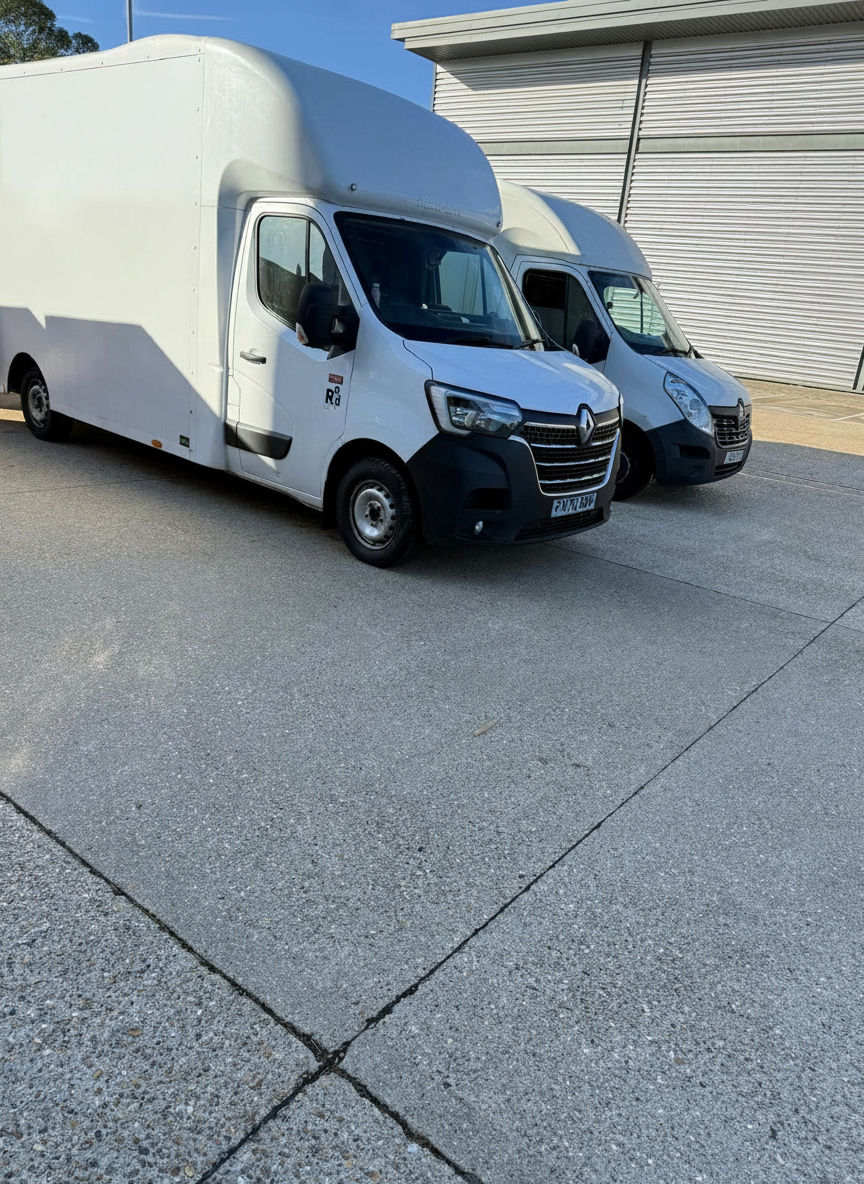
Vehicle planning should happen before the move date. A pre-move survey, either in person or by video, helps assess the volume of goods, access conditions, fragile items, and any dismantling needs. It also gives the removal company the information needed to plan crew numbers, packing materials, and vehicle space.
The survey is also the right time to mention unusual items. Pianos, large mirrors, gym equipment, garden statues, American-style fridge freezers, and long dining tables all need proper planning. If an item has to be taken out through a window, moved over a balcony, or handled by a specialist, the team should know before the vehicle arrives.
Professional packing protects more than boxes
Packing is often treated as a simple add-on, but it shapes the whole quality of a move. Poor packing creates broken glassware, scratched timber, crushed lampshades, and long unpacking delays. Professional packing reduces those risks because the materials and methods match the item.
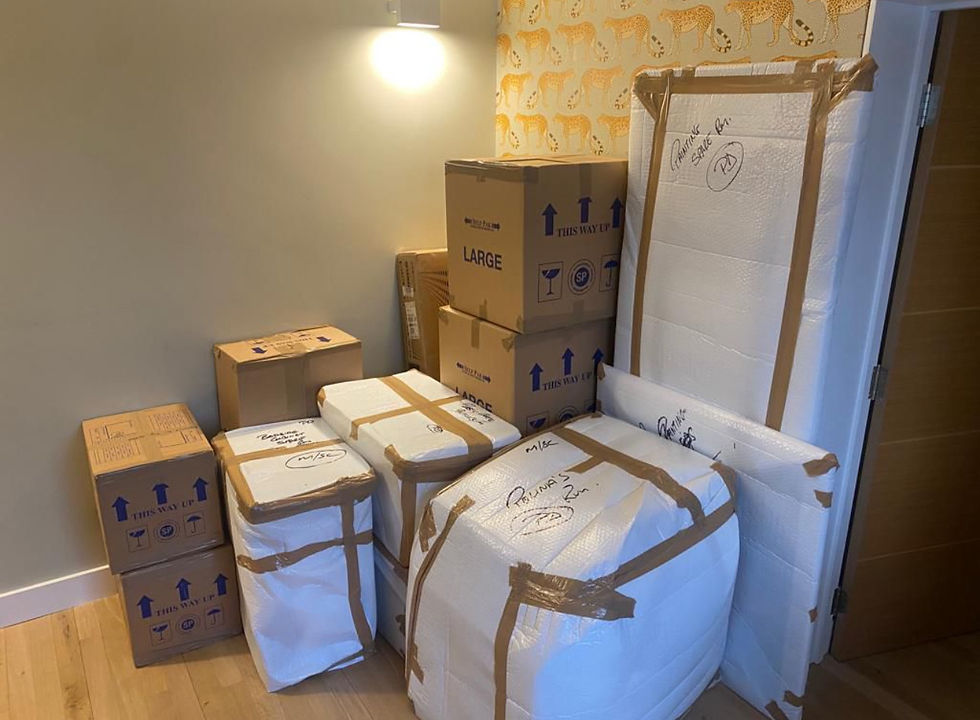
A full packing service usually covers everyday household goods as well as fragile, awkward, and high-value pieces. The aim is not just to fill boxes. The aim is to create stable, labelled, protected loads that are safe to carry, stack, and transport.
Typical professional packing may include:
Strong double-walled cartons for books, kitchenware, and general goods
Wardrobe cartons for hanging clothes
Acid-free tissue or specialist wrap for delicate surfaces
Bubble wrap and paper for glassware and ceramics
Export wrapping for fragile or high-value items
Quilted blankets for polished timber and large furniture
Custom crating for fine art, mirrors, or specialist pieces
The packing plan should reflect the property. A family home with a large kitchen needs a different approach from a flat with designer furniture and framed artwork. A period property may need more furniture wrapping before items are carried through tight hallways. A new-build home may need extra care around walls, stair corners, and flooring.
The best packing also supports unpacking. Clear labelling by room helps the crew place boxes correctly at the new property. That saves time during delivery and reduces the chance of heavy boxes being moved twice.
For customers who prefer to pack themselves, professional materials still matter. Supermarket boxes rarely offer the strength or consistency needed for a full move. Books should go into smaller boxes, not large cartons that become unsafe to lift. Plates should be packed vertically with cushioning. Lampshades need their own boxes. Liquids, paints, and hazardous items should be discussed with the remover because many cannot travel with household goods.
Insurance is another reason to take packing seriously. Goods in Transit cover and storage insurance often depend on proper packing and declared values. Policy wording varies, so customers should ask what is covered, what is excluded, and whether high-value items need to be listed separately. Full replacement cover should be confirmed in writing, including limits, excesses, and any conditions.
Clear insurance is not a formality. It is part of a safe move, especially when goods are being packed, transported, and stored by different teams or at different times.
Executive Movers can support moves with packing services designed for fragile items, fine art, glassware, polished furniture, and everyday household contents. The goal is simple: reduce handling risk and keep possessions protected from room to room.
Containerised storage solves completion gaps
Many home moves do not run from one front door neatly into the next. Completion dates can shift. A seller may need to move out before a purchase is ready. A buyer may want to decorate before furniture arrives. Some households use storage while staging a property for sale, downsizing, renovating, or waiting for keys.
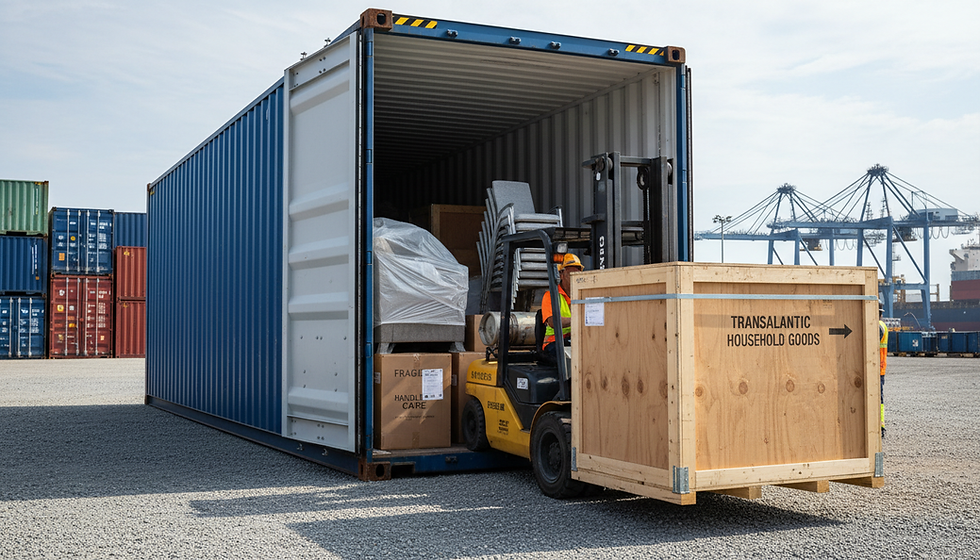
Containerised storage is designed for this kind of gap. Instead of loading goods loosely into a warehouse space, the removal team loads items into sealed timber storage containers. These containers are then taken into a secure warehouse facility and kept there until delivery is needed.
The main benefit is reduced handling. The fewer times furniture and boxes are moved, the lower the risk of scuffs, dents, and misplaced items. With containerised storage, goods can be packed into storage vaults at the home, sealed, transported, and then remain inside the container until they are required again.
This is especially useful for:
Delayed completion dates
Property chain uncertainty
Short-term rental gaps
Home renovations
Decluttering before a sale
Downsizing from a larger property
Staged delivery into a new home
A secure storage facility should offer controlled access, monitored security, clean conditions, and proper inventory procedures. If climate control is available, it can help protect items sensitive to temperature and moisture changes, such as wooden furniture, artwork, books, and textiles.
Storage should also be linked to insurance. Goods may be covered differently while in transit and while in store, so the paperwork should make both stages clear. A professional mover should explain how goods are inventoried, sealed, accessed, and returned.
For customers moving across Hertfordshire, Bedfordshire, and North London, containerised storage offers flexibility when the property timetable changes. It removes the pressure to force every part of the move into a single day, which can be a major advantage when legal completion and physical moving do not align.
Completion day works best with a clear plan
Completion day is often the most stressful point in a move because several things must happen in the right order. The removals team may be packed and ready, but keys cannot usually be collected until solicitors confirm that funds have transferred and completion has taken place.
In a chain, one delay can affect every linked move. This is common and does not always mean something has gone wrong. It does mean the move needs a realistic schedule.
A good completion-day plan includes:
Early arrival for final loading
Protection installed before heavy items move
Clear communication with the customer
Flexibility around key release
Safe waiting arrangements if access is delayed
A plan for late unloading where possible
Storage options if completion cannot happen that day
Customers can help by preparing key information before the day. The removal company should know the estate agent’s details, parking arrangements, destination access, and any time restrictions at either property. Essential items, such as passports, medication, chargers, keys, and completion documents, should travel separately with the customer rather than inside the removal load.
It also helps to create a first-night box. This might include:
Kettle, mugs, tea, coffee, and snacks
Toiletries and towels
Bedding
Phone chargers
Basic tools
Cleaning cloths
Pet supplies if needed
Children’s essentials if needed
The removals team can do the heavy work, but a little personal preparation makes the first evening far easier.

Choosing Executive Movers for a secure household move
A strong removals service combines local knowledge with careful handling. Executive Movers supports domestic removals across Hertfordshire, Bedfordshire, and North London with services built around the common problems of the region: restricted parking, mixed property types, completion-day pressure, fragile contents, and storage gaps.
The most useful removals support usually includes:
A pre-move survey and clear quotation
Local route and access planning
Suitable vehicle allocation
Professional packing and materials
Floor, door, and furniture protection
Direct-load transport where required
Secure containerised storage
Goods in Transit and storage insurance options
Clear communication before and during moving day
The best move is not the one that feels rushed. It is the one where the risks have been identified early and managed properly. That means checking whether a North London parking suspension is needed, deciding whether an 18-tonne lorry can reach a Hertfordshire property, planning around Bedfordshire completion timing, and packing fragile items before they become a problem.
For homeowners who want a premium service, the value lies in control. Belongings stay protected, the schedule remains realistic, and storage is available if the property dates do not match. With the right team, a move across Hertfordshire, Bedfordshire, or North London becomes a planned household transition rather than a last-minute scramble.
Executive Movers provides domestic removals, packing, direct transport, and secure containerised storage for households that want their move handled with care from the first box to the final room placement. The next step is to arrange a proper move assessment, confirm access requirements, and build a plan that fits the property, the contents, and the completion date.


Comments